
Discover the World of Big Cats
Across the globe, six of the most iconic wild cats capture our imagination. These are tigers, lions, leopards, cheetahs, snow leopards and jaguars. Each one plays a vital role in the ecosystems they call home, yet they face increasing threats from habitat loss, poaching and human conflict. Here you will find an in depth look at their hunting strategies, diets, social lives and the challenges they face in the wild. By learning more about these extraordinary predators, we can better understand their importance and why protecting them matters for the future of our planet.

Tigers
Tigers are the largest of all cats, instantly recognisable by their striking orange coats with black stripes. Found across Asia, these powerful predators are masters of stealth and strength.
Habitat and Range: Tigers roam forests, grasslands and wetlands, with populations spread across India, Russia and Southeast Asia.
Physical Features: Adult males can weigh up to 300 kg, with muscular builds and distinctive stripe patterns. No two are the same.
Diet: Tigers prey mainly on deer, wild boar and buffalo, relying on power and surprise rather than speed.
Hunting Behaviour: They are ambush hunters, stalking quietly before launching a powerful pounce. A tiger’s bite is strong enough to crush bone.
Social Life: Tigers are solitary, marking territories with scent and only meeting to mate or when a mother raises her cubs.
Interesting Facts: Tigers are excellent swimmers and often cool off in rivers and lakes. Unlike most cats, they love water.
Lion
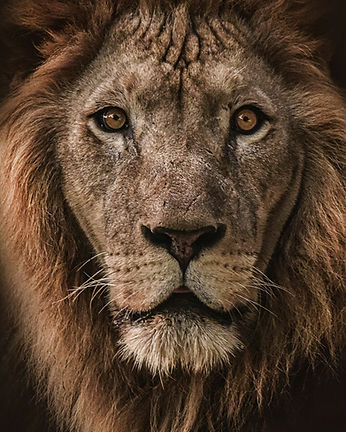
Lions are known as the only truly social big cats, famous for their golden coats and mighty roars that can carry for miles across the African plains.
Habitat and Range: Lions live in grasslands and savannahs across Africa, with a small population also in India’s Gir Forest.
Physical Features: Males are distinguished by their thick manes which vary in colour from blonde to black. They can weigh up to 250 kg.
Diet: Lions hunt large prey such as wildebeest, zebras and buffalo, often in coordinated groups.
Hunting Behaviour: Working together gives lions an advantage, with lionesses usually leading the chase while males defend the pride’s territory.
Social Life: Lions live in prides which are family groups of up to 30 individuals. This close social structure is unique among cats.
Interesting Facts: A lion’s roar is the loudest of any big cat and can be heard up to 8 kilometres away.

Leopard
Leopards are elusive and adaptable cats, known for their beautiful spotted coats and incredible ability to thrive in a variety of habitats.
Habitat and Range: Leopards live across Africa and Asia, from rainforests to deserts.
Physical Features: Smaller than lions and tigers, leopards usually weigh between 30 and 90 kg. Their rosette patterned fur gives them perfect camouflage.
Diet: Leopards eat a wide range of animals from antelope to monkeys and are highly opportunistic hunters.
Hunting Behaviour: They rely on stealth and power, often dragging their kills up into trees to keep them safe from scavengers.
Social Life: Leopards are solitary and secretive, meeting only to mate or when mothers raise cubs.
Interesting Facts: Leopards are excellent climbers and are often seen resting on branches during the day.
Cheetah
Cheetahs are the fastest land animals, built for speed rather than power. Their slender bodies and black tear lines make them instantly recognisable.
Habitat and Range: Cheetahs live mainly in African grasslands and savannahs, with a small population in Iran.
Physical Features: Light and lean, cheetahs weigh 20 to 70 kg. Their long legs and flexible spines help them sprint at up to 70 miles per hour or 112 kilometres per hour.
Diet: Cheetahs prefer smaller prey such as gazelles, hares and birds.
Hunting Behaviour: They hunt by sight during the day, sprinting in short bursts to catch prey before tripping it with their dewclaw.
Social Life: Males sometimes form coalitions with their brothers while females live alone with their cubs.
Interesting Facts: Unlike other big cats, cheetahs cannot roar. They chirp, purr and hiss instead.


Snow Leopard
Snow leopards are elusive, high altitude cats known for their thick smoky grey fur and long tails that help them balance on rocky slopes.
Habitat and Range: Found in the rugged mountains of Central Asia, at altitudes of up to 5,500 metres.
Physical Features: Weighing 25 to 55 kg, they have large nasal cavities for breathing thin air and long fluffy tails that double as blankets.
Diet: Snow leopards hunt mountain prey such as blue sheep, ibex and marmots.
Hunting Behaviour: They rely on stealth and incredible leaping ability, able to spring up to 15 metres in one bound.
Social Life: Solitary by nature, snow leopards are rarely seen together outside of mating or mothers with cubs.
Interesting Facts: Locals often call them ghosts of the mountains because of how rarely they are seen.
Jaguar
Jaguars are the largest cats of the Americas, known for their powerful builds and striking golden coats patterned with rosettes that often have spots inside them.
Habitat and Range: Jaguars live in rainforests, wetlands and grasslands across Central and South America, with the Amazon being their stronghold.
Physical Features: Stocky and muscular, jaguars weigh 45 to 120 kg. Their short strong limbs make them excellent climbers and swimmers.
Diet: Jaguars eat a wide variety of prey including deer, capybaras and even caimans.
Hunting Behaviour: They kill with one of the strongest bites in the animal kingdom, often piercing straight through skulls or shells.
Social Life: Jaguars are solitary and territorial, using scent marks and vocal calls to signal to one another.
Interesting Facts: Unlike most cats, jaguars are enthusiastic swimmers and often hunt in rivers.

The more we discover about the lives of big cats, the more we realise how extraordinary they truly are. Their diets, their hunting strategies, their bonds or solitary paths - every detail adds another layer to their mystery and majesty. They are not just predators, but symbols of power, resilience, and beauty in the natural world. Understanding them is the first step in truly appreciating all that they represent.
Go back to the big cats menu